If you are thinking of taking up cold-water swimming in the autumn, consider an exercise ECG. It can reveal heart problems that a resting ECG may miss. This can help prevent complications and identify whether swimming in icy water is unsuitable for you.
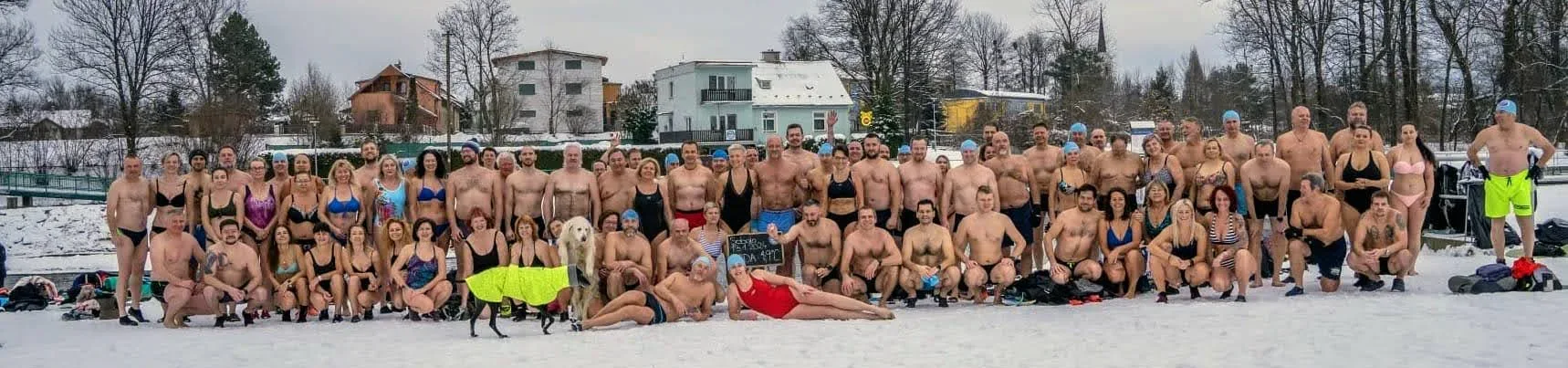
You can begin acclimatising to the cold at any time, though late summer is the most comfortable starting point. In Frýdek-Místek, our season runs from October to April. The activity places demands on the heart and the wider cardiovascular system, among other things, so a thorough check-up and an early discussion with your doctor are very useful.
Waiting times vary between clinics and may run to several months. Add summer holidays to the equation, and now is a good time to book.
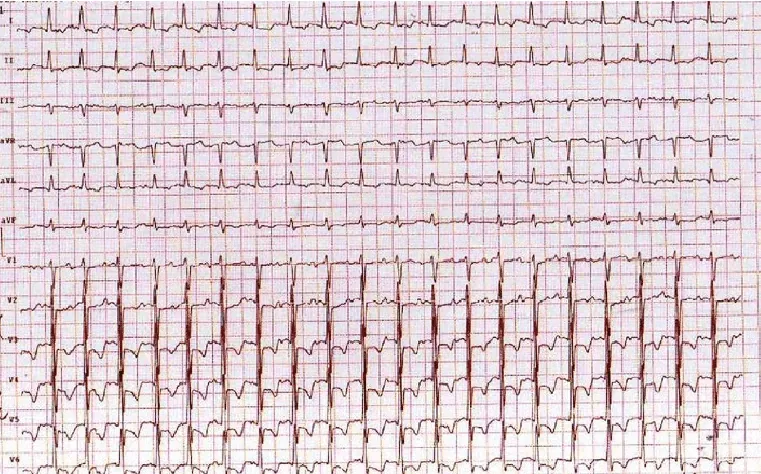
The test records the heart’s electrical activity — an ECG — and monitors changes as exercise increases its workload. Narrowing or blockage of the vessels supplying the heart can reduce blood flow to the heart muscle during exertion and cause ECG changes. Chest pain or pressure, known as angina, often occurs too. An exercise test can also assess physical performance or detect heart rhythm disturbances triggered by exertion.
The test is performed on a specially adapted exercise bicycle, or ergometer. Resistance gradually increases as the patient pedals. Electrodes attached to the chest record the ECG, while blood pressure is measured on the arm at regular intervals.
Testing continues until the patient reaches a higher workload, measured through a target increase in heart rate, or until symptoms such as chest pain or weakness, or ECG changes, appear. The patient therefore needs to be able to pedal a bicycle for the test to be carried out successfully.
Wishing you good health and a lovely summer. See you by the water in the autumn.